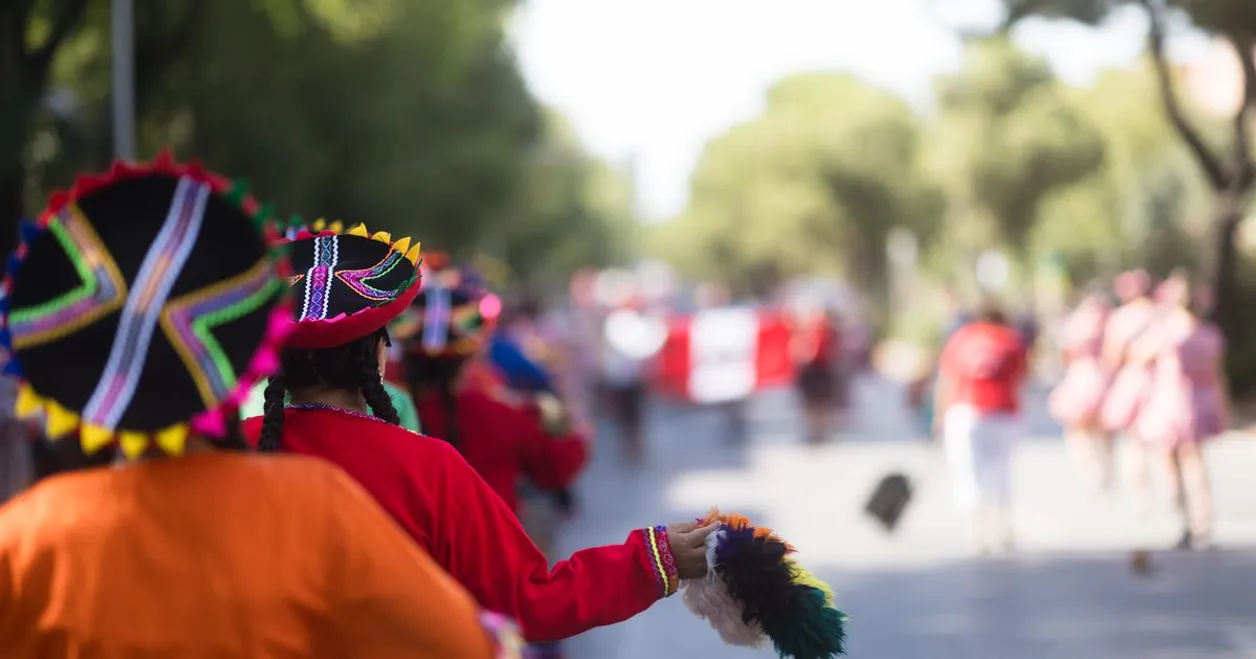
Culturele Aanpassing bij Vertaling: 7 Essentiële Tips
Een perfecte linguïstische vertaling kan cultureel compleet mis zijn. “Break a leg” letterlijk vertaald naar Swahili? Verwarrend en ongepast. Nederlandse directheid in Bengali communicatie? Kan als onbeleefd overkomen. Culturele aanpassing (localization) is waar goede vertalingen groot worden.
Bij Zeldzame Vertalingen werken we dagelijks met culturele nuances in Tamil, Somali, Tigrinya en tientallen andere culturen. Deze 7 tips zijn essentieel voor cultureel passende vertalingen.
Tip 1: begrijp context, niet alleen woorden
Een letterlijke vertaling van “Stuur de documenten morgen” naar het Tamil klinkt cultureel al snel te direct en respectloos. Een cultureel aangepaste versie voegt beleefdheidsmarkeringen toe, bijvoorbeeld een indirecte, verzoekende formulering in plaats van een directe opdracht.
Sommige culturen zijn high-context, met een voorkeur voor indirecte communicatie, en andere zijn low-context, met een voorkeur voor directe communicatie. Nederlandse directheid is niet universeel geaccepteerd.
Communicatiestijlen per cultuur
Zoals beschreven in academische literatuur over Edward T. Hall’s culturele dimensies, bestaan er fundamentele verschillen in communicatiestijlen tussen culturen. In veel Aziatische en Afrikaanse culturen komt vaker een high-context-stijl voor: indirecte communicatie, waarbij context minstens zo belangrijk is als de woorden zelf, relatiegericht en gericht op het vermijden van confrontatie. Voor Bengali vertaling betekent dat vaak: indirecte constructies gebruiken, relationele elementen benadrukken en harde eisen vermijden.
Nederlandse en andere westerse teksten zijn doorgaans low-context: direct, expliciet, met woorden die de volledige betekenis dragen, taakgericht en met ruimte voor confrontatie. Voor Nederlandse teksten betekent dat: heldere, directe taal, expliciete instructies en een focus op feiten en acties.
Tip 2: lokaliseer voorbeelden en referenties
Een letterlijke vertaling van “Betaal met iDeal of creditcard” naar het Swahili levert weinig op: iDeal bestaat niet in Tanzania. Een cultureel aangepaste versie voor Swahili noemt in plaats daarvan M-Pesa en Tigopesa naast creditcard, omdat M-Pesa in Oost-Afrika de dominante betaalmethode is.
Ook voorbeelden en referenties in marketingteksten en educatieve content verdienen lokalisatie. “Zo Nederlands als de gracht in Amsterdam” zegt een Somalisch publiek weinig; een verwijzing naar iets herkenbaars uit de eigen context werkt beter. Zo landt “Zoals Willem van Oranje zei…” in een Dari vertaling sterker als verwijzing naar een cultureel relevante figuur zoals de dichter Rumi.
Tip 3: respecteer religieuze gevoeligheden
Bij vertalingen voor een islamitisch publiek, zoals Somalisch, Pashto, Dari of Urdu, is het vaak verstandig om alcoholreferenties in marketing, varkensvlees in voedselcontext en onthullende kleding in beeldmateriaal te vermijden, en generieke “feestdagen” te vervangen door de specifieke naam (zoals Eid). Halal-vriendelijke taal en bewustzijn rond de ramadan worden doorgaans gewaardeerd.
Voor een publiek met een hindoeïstische achtergrond, zoals delen van de Tamil-, Telugu- en Bengali-sprekende gemeenschappen, is vegetarisme relatief vaak van belang en spelen religieuze feestdagen zoals Diwali en Pongal een rol. Vegetarische opties prominent noemen en hiërarchische familiestructuren respecteren, sluit hier vaak beter aan.
Onder veel Tigrinya- en Amharic-sprekers leven Ethiopisch-orthodoxe tradities, met zondagse kerkgang, herkenning van bijbelse verwijzingen en het vieren van christelijke feestdagen.
Deze gevoeligheden zijn ook praktisch relevant, bijvoorbeeld op een medisch formulier. De directe vraag “Gebruikt u alcohol?” kan bij een deel van een Somalischtalig publiek indringend overkomen; een minder directe formulering die vraagt naar middelengebruik dat relevant is voor de behandeling, geeft ruimte voor een eerlijk antwoord zonder oordeel.
Tip 4: pas visuele elementen aan
Kleursymboliek verschilt per cultuur. In het Westen staat wit vaak voor puurheid en bruiloften, terwijl wit in delen van Azië geassocieerd wordt met rouw: bij een huwelijksuitnodiging voor de Tamil-markt is wit daarom vaak een minder gelukkige keuze. Omgekeerd staat rood in het Westen voor gevaar of stop, terwijl rood in de Chinese cultuur juist geluk en voorspoed symboliseert, wat marketing naar Chinese gemeenschappen positief kan inkleuren.
Beeldtaal verschilt eveneens: westerse marketing focust vaak op het individu, terwijl beeldmateriaal met familie of gemeenschap in veel Afrikaanse en Aziatische contexten beter resoneert, bijvoorbeeld op Swahili markten. Een foto van een familie die samen iets viert landt daar doorgaans sterker dan een foto van één persoon die alleen een doel bereikt.
Ook de lay-out moet mee veranderen. Bij van-rechts-naar-links-talen zoals Urdu, Dari en Arabisch verschuift de tekstrichting, de navigatie, de iconen (gespiegeld) en de leesrichting: vertalen alleen is niet genoeg, de hele lay-out moet worden aangepast. Bij complexe schriften zoals Tamil en Bengali is bovendien aandacht nodig voor verticale ruimte (hogere tekens), Unicode-lettertypeondersteuning, tekstuitbreiding (teksten worden vaak 25 tot 30 procent langer dan het Engelse origineel) en regelafstand.
Tip 5: lokaliseer datums, tijd en maateenheden
Datumformaten leiden makkelijk tot verwarring: het Nederlandse formaat (25-01-2026) verschilt van het Amerikaanse (01/25/2026) en het ISO-formaat (2026-01-25). De maand voluit schrijven, zoals “25 januari 2026”, sluit alle dubbelzinnigheid uit en werkt over culturen heen.
Ook tijdsnotatie verschilt: Nederland gebruikt doorgaans het 24-uursformaat (14:00), terwijl de VS en het VK vaker het 12-uursformaat (2:00 PM) hanteren. Voor een internationaal publiek is het vaak duidelijker om beide te noemen. Bovendien wordt punctualiteit in westerse culturen doorgaans strikt verwacht, terwijl tijd in delen van Afrika en Azië soms flexibeler wordt benaderd. Het Swahili telt tijd bijvoorbeeld vanaf zonsopgang, waardoor “saa 8” (letterlijk “uur 8”) overeenkomt met 14:00 in de Nederlandse telling: een vertaler die dat niet weet, verschuift onbedoeld de afspraaktijd.
Bij maateenheden geldt: metrisch en imperiaal (bijvoorbeeld 5 kilometer versus 3 mijl, 25 graden Celsius versus 77 graden Fahrenheit, 180 centimeter versus 5 voet 11) altijd aanpassen aan de standaard van de doelmarkt. Bij valuta geldt hetzelfde: 50 euro in Nederland komt overeen met een heel ander bedrag in Tanzaniaanse shilling voor een Swahili-sprekend publiek, of in Indiase roepies voor een Tamil-sprekend publiek. Reken niet alleen om, maar houd ook rekening met lokale koopkracht, prijspsychologie en de betaalmethoden die in de doelmarkt gangbaar zijn.
Tip 6: pas de tone of voice cultureel aan
Formaliteitsniveaus verschillen sterk per taal en cultuur. In Bengali en Tamil bestaan bijvoorbeeld verschillende voornaamwoorden voor ouderen versus leeftijdsgenoten, zijn eretitels belangrijk en is een formele aanspreekvorm vaak de standaard. Een informele opening als “Hey, check dit eens!” komt in marketing naar de Bengaalse gemeenschap al snel te casual over; een respectvolle, uitnodigende toon past beter.
Ook in zakelijke communicatie loopt de norm uiteen: waar westerse B2B-communicatie vaak professioneel maar casual mag zijn, wordt in veel Aziatische zakelijke context een formele, respectvolle toon verwacht. Een Nederlandse e-mailopening als “Hoi Jan,” heeft in het Somalische zakelijk verkeer een formeler equivalent nodig, met een eretitel en beleefdheidsvorm in plaats van de voornaam.
Enthousiasme wordt eveneens cultuurafhankelijk geuit: Amerikaanse marketing grijpt vaak naar superlatieven (“Ongelooflijk! Het beste product ooit!”), Nederlandse marketing houdt het doorgaans gematigder (“Een excellent product met bewezen resultaten”), en voor een Tamil-sprekend publiek past een nog behoudender toon vaak beter, met de nadruk op betrouwbare, consistente kwaliteit in plaats van superlatieven.
Datzelfde geldt voor feedback: directe Nederlandse feedback (“Dit klopt niet”) kan in culturen met een meer indirecte feedbackstijl als bot overkomen. Een klachtafhandeling die in het Westen kort bevestigt (“U heeft gelijk, we lossen het op”) wint in een meer indirecte context vaak aan zorgvuldigheid door de zorg van de klant eerst expliciet te erkennen voordat de oplossing wordt genoemd.
Tip 7: test met native speakers
Taalkundig correct is niet hetzelfde als cultureel passend. Bij een Tigrinya marketingtekst kan de vertaling woord voor woord kloppen en de grammatica foutloos zijn, terwijl de toon toch te agressief overkomt voor Eritrese culturele normen, de beeldtaal ongepast oogt of de gebruikte metafoor niet aanspreekt. Alleen een cultureel-inhoudelijke review door een native consultant vangt dit soort mismatches op die een taalkundige controle alleen mist.
Kleinschalig testen helpt daarbij. Bij de lancering van een Swahili website is het bijvoorbeeld zinvol om een bètaversie te laten beoordelen door een handvol native speakers uit verschillende achtergronden (bijvoorbeeld Tanzaniaans, Keniaans en Congolees) en leeftijdsgroepen, met feedback op taalnatuurlijkheid, culturele passendheid, visuele elementen en algemene indruk, om de tekst te verfijnen vóór volledige lancering.
Bij gevoelige onderwerpen is gemeenschapsconsultatie extra belangrijk. Voor Somalische zorgmaterialen kan het raadzaam zijn gemeenschapsoudsten te consulteren, met culturele adviseurs samen te werken, de inbreng van religieuze leiders mee te nemen en te testen bij de doelgroep zelf: vooral bij onderwerpen als mentale gezondheid, reproductieve gezondheid, gezinsplanning en trauma-gerelateerde content.
Checklist voor culturele aanpassing
| Fase | Aandachtspunten |
|---|---|
| Vóór vertaling | Communicatiestijl van de doelcultuur onderzoeken, religieuze en culturele gevoeligheden in kaart brengen, visuele voorkeuren en taboes doornemen, datum-, tijd- en maateenheidstandaarden controleren, formaliteitsverwachtingen begrijpen en specifieke culturele referenties noteren die aanpassing nodig hebben |
| Tijdens vertaling | Voorbeelden aanpassen aan de lokale context, beeldbeschrijvingen aanpassen, toon afstemmen op culturele normen, getallen, datums en valuta lokaliseren, rekening houden met schrift- en lay-outvereisten, en mogelijke culturele knelpunten markeren voor review |
| Na vertaling | Review door een native cultureel consultant, testen bij een steekproef van de doelgroep, religieuze en culturele passendheid verifiëren, visuele elementen controleren, toon en boodschap valideren, en definitieve goedkeuring van de cultureel expert |
Praktijkvoorbeelden
Neem een Nederlandse e-commercetekst als “Bestel nu! Gratis verzending. Betaal achteraf met Klarna.” bedoeld voor een Swahili-sprekend publiek in Oost-Afrika. Een letterlijke vertaling loopt tegen meerdere problemen aan: Klarna bestaat daar niet, “gratis verzending” sluit minder aan bij lokale logistieke verwachtingen, en “bestel nu!” komt in een relatiegerichte cultuur al snel opdringerig over. Een cultureel aangepaste versie kiest een uitnodigende in plaats van dwingende toon, noemt een realistische verzendboodschap, verwijst naar lokale betaalmethoden zoals M-Pesa en Tigopesa in plaats van Klarna, en bouwt aan de relatie met de lezer in plaats van meteen tot actie aan te zetten.
Hetzelfde geldt voor patiëntinstructies. Een Nederlandse ziekenhuistekst als “Neem deze medicatie met eten. Gebruik geen alcohol.” gericht op Somalische patiënten wint aan duidelijkheid en respect door iets uitgebreider te zijn om misverstanden te voorkomen, alcohol indirecter te benoemen uit culturele gevoeligheid, het tijdsbestek helder te maken en een respectvolle toon aan te houden.
Samenwerken met culturele experts
Bij marketingcampagnes, publieksgerichte content, gevoelige onderwerpen (gezondheid, juridisch, religieus) en projecten met een groot budget is het inschakelen van een cultureel expert eigenlijk altijd de moeite waard. Bij technische documentatie, interne communicatie of trainingsmateriaal hangt het meer af van hoe cultuurspecifiek het gebruik is. Een cultureel expert brengt inzicht in culturele context, gevoeligheidsbewustzijn, kennis van de lokale markt, richting voor de juiste toon, input over visuele voorkeuren en hulp bij het coördineren van doelgroeptests.
Je vertalingen cultureel laten landen
Culturele aanpassing is het verschil tussen een vertaling die “klopt” en een vertaling die “werkt”. Bij Zeldzame Vertalingen combineren we linguistic expertise met culturele kennis in Hausa, Yoruba, Igbo en meer.
Wil je culturele consultatie? Neem contact op voor expert advies. Wil je meteen starten met je cultureel-aangepaste project? Vraag een offerte aan.
Gratis Adviesgesprek
Zorg dat uw vertalingen cultureel resoneren - boek een gratis cultural adaptation consultatiegesprek